
Ready to experience Ningaloo?
Book your accommodation now, or learn more about the locations below.
- All Locations
- Cape Range National Park
- Ningaloo Coast World Heritage Area
- Nyinggulara National Park
- Warroora Coast, Nyinggulu Coastal Reserves
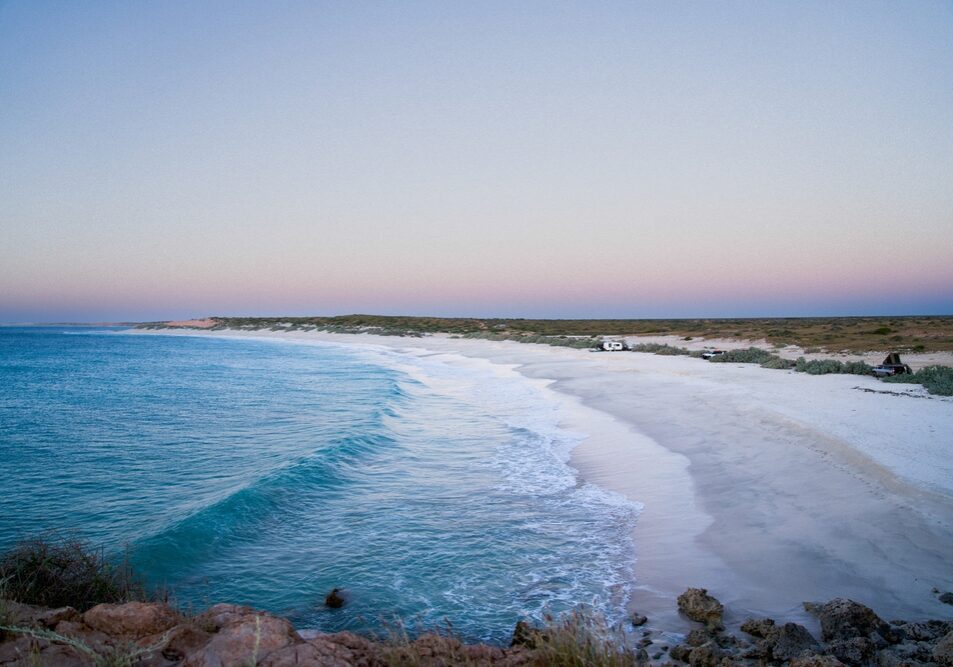
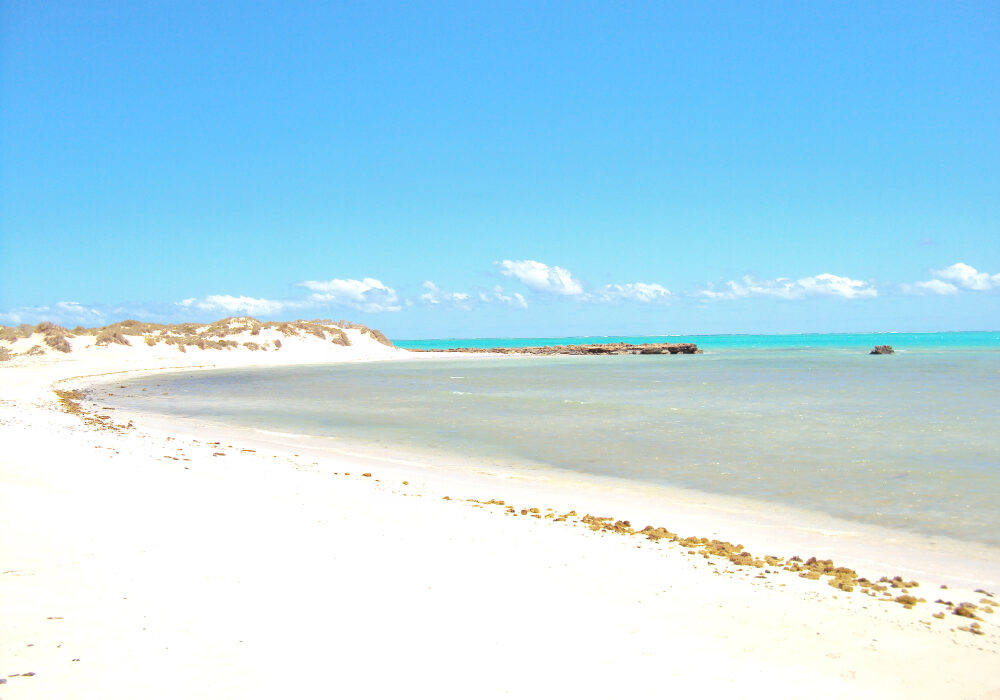
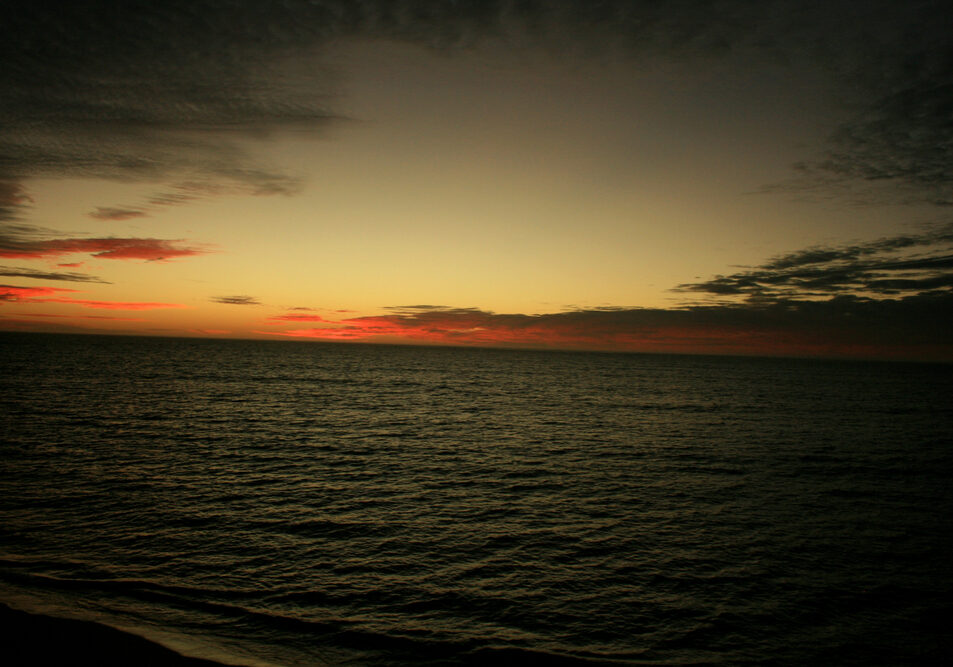
Bruboodjoo Campground
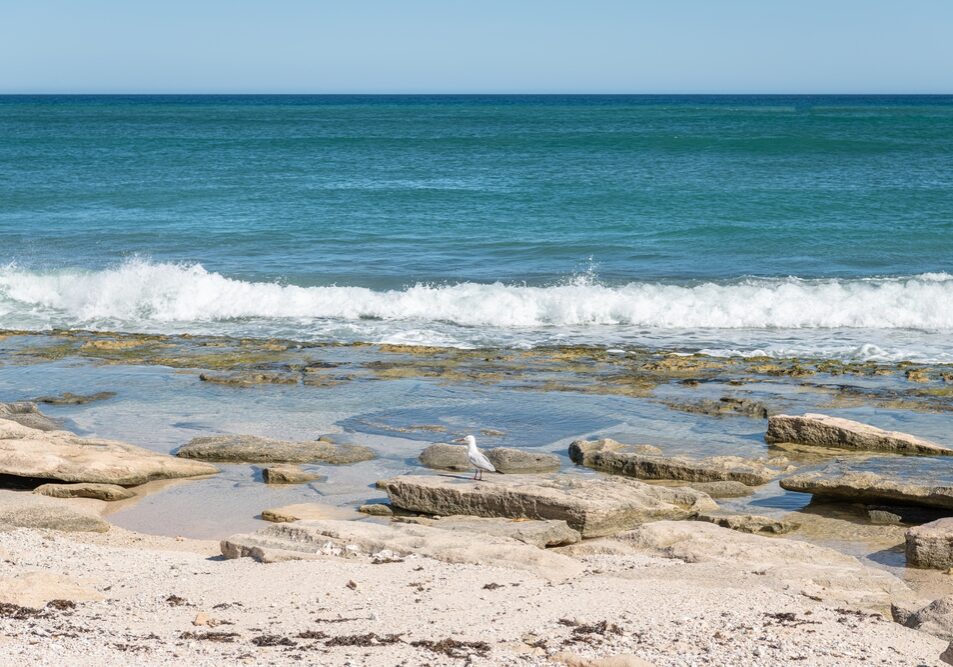
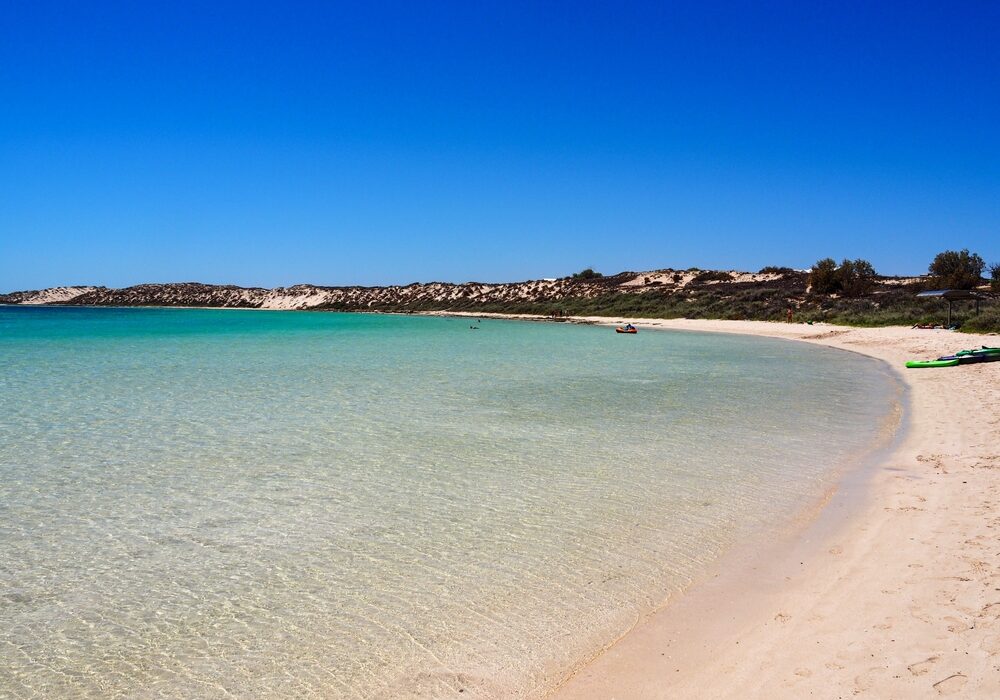
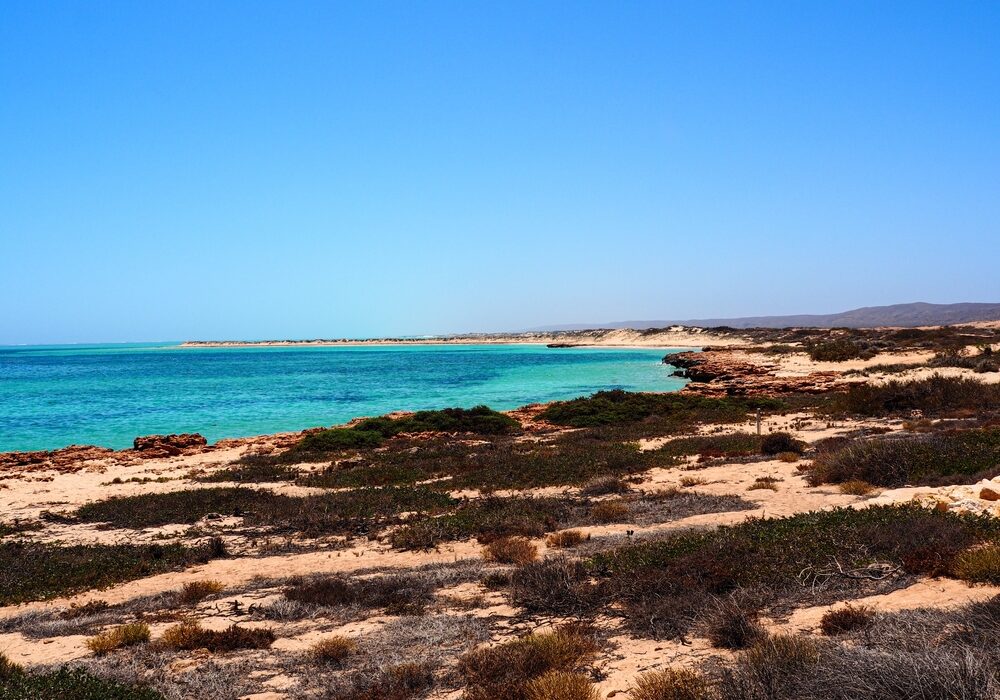
Kurrajong Campground (Cape Range)
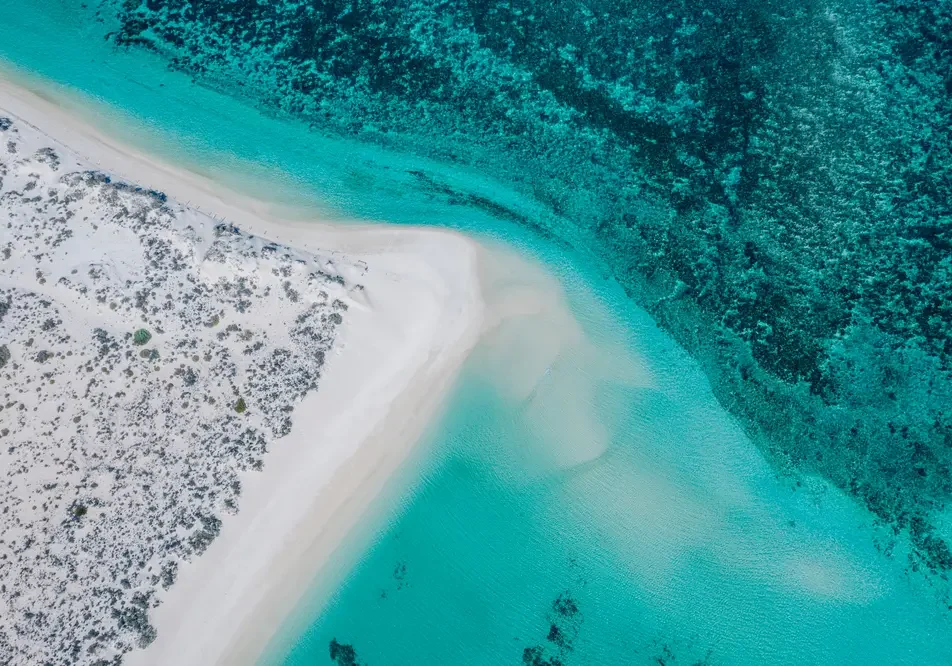
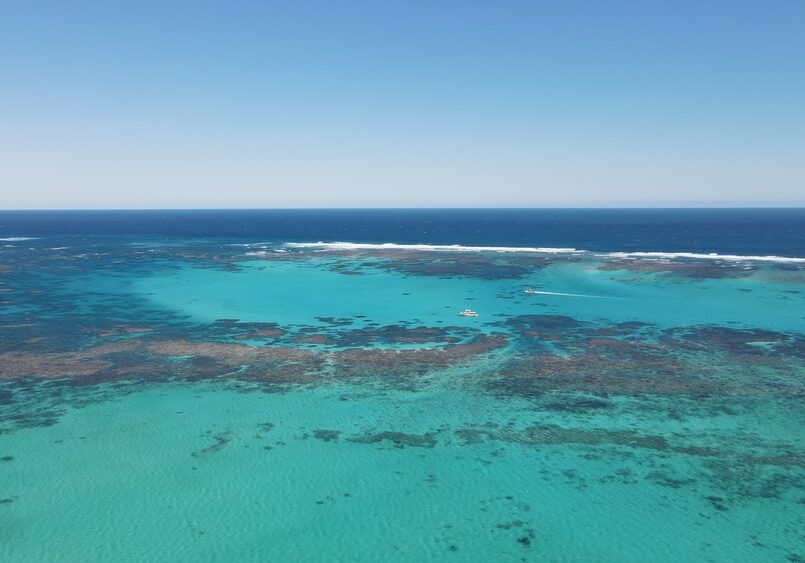
North Kurrajong & T-Bone Campground (Cape Range)
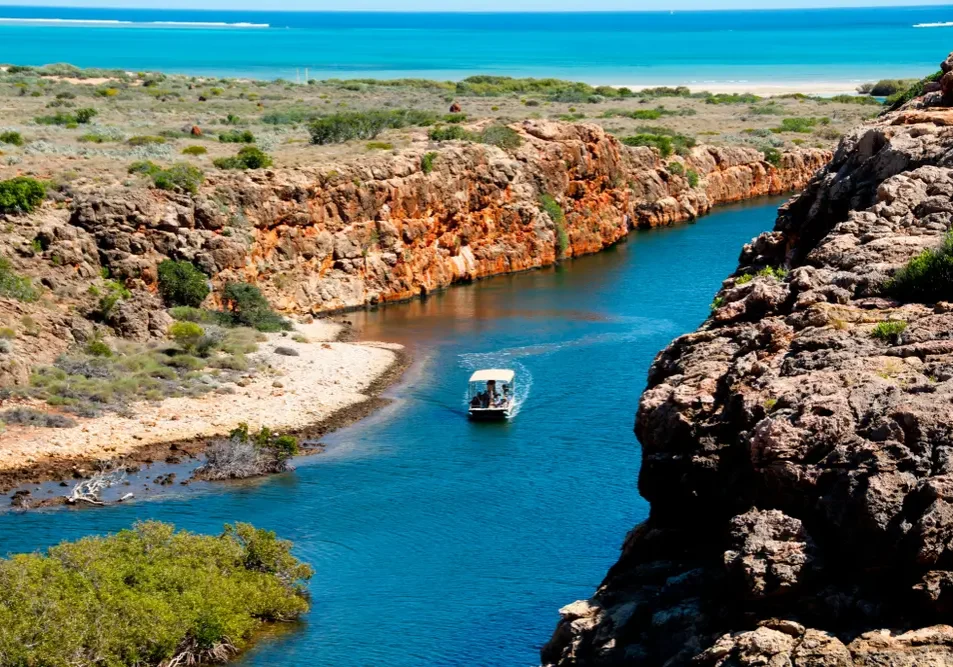
Ningaloo Coast Campground Bookings
Ningaloo Coast campsites are released in monthly blocks at 10am AWST on the first Tuesday of each month, about six months ahead. The Parks and Wildlife Service adopted the monthly release permanently in September 2026 after an eight-month trial, so the old 180-day rolling window no longer applies anywhere on the Ningaloo Coast.
Campsites are currently open for stays through to the end of April 2027. The next release is at 10am AWST on Tuesday 3 November 2026, for stays in May 2027.
The five campgrounds in Nyinggulara National Park, the former Ningaloo Station (Janes Bay, North Lefroy, South Lefroy Bay, Point Billie and Winderabandi), remain closed following Cyclone Narelle and are not currently bookable.
Ningaloo Station Points of Interest & Activities

Camping
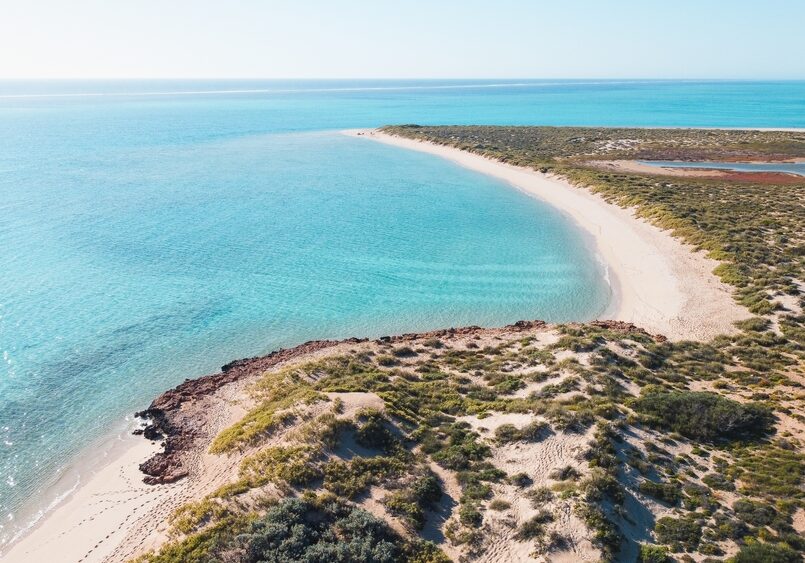
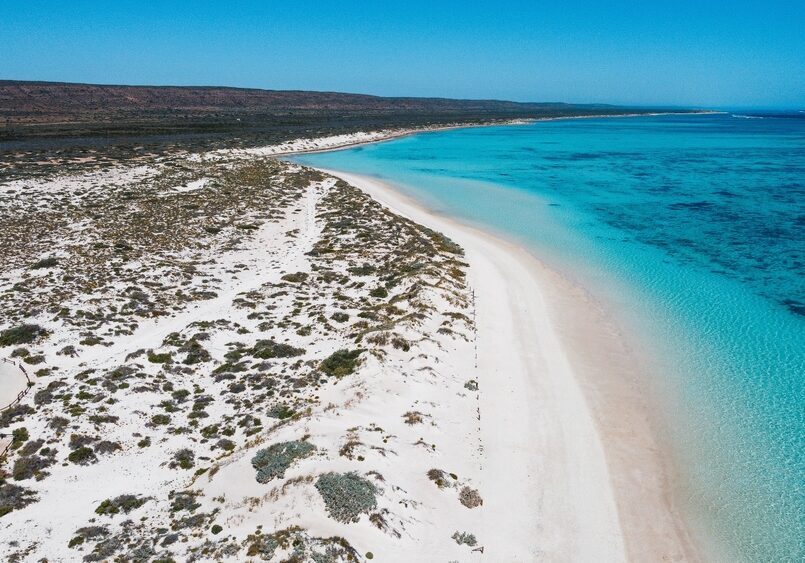
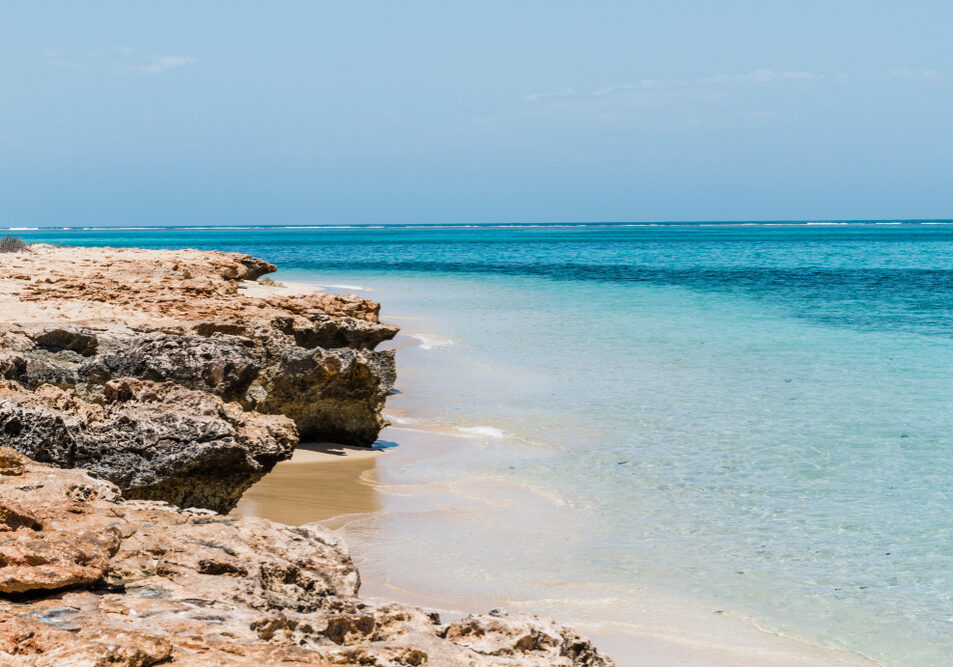
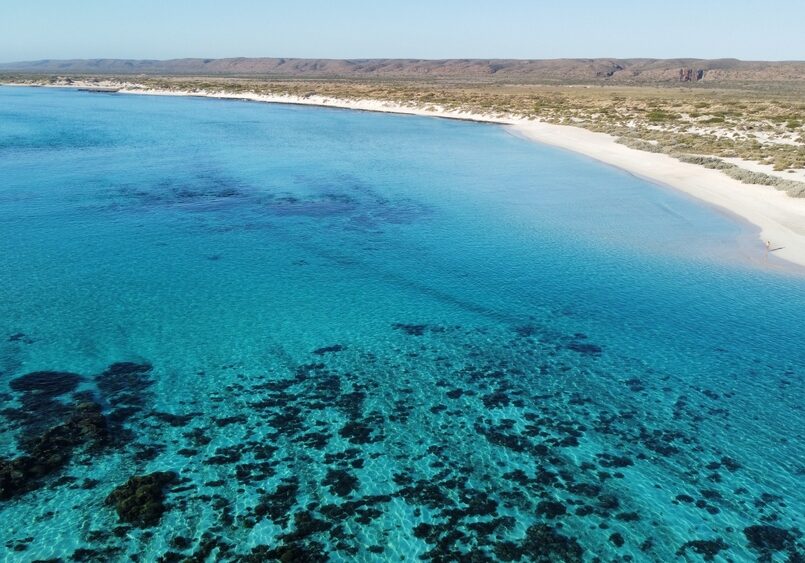
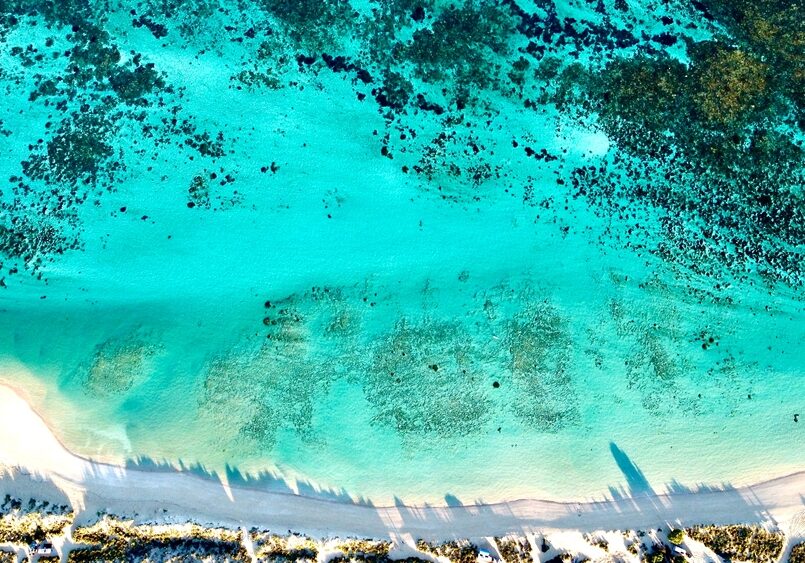
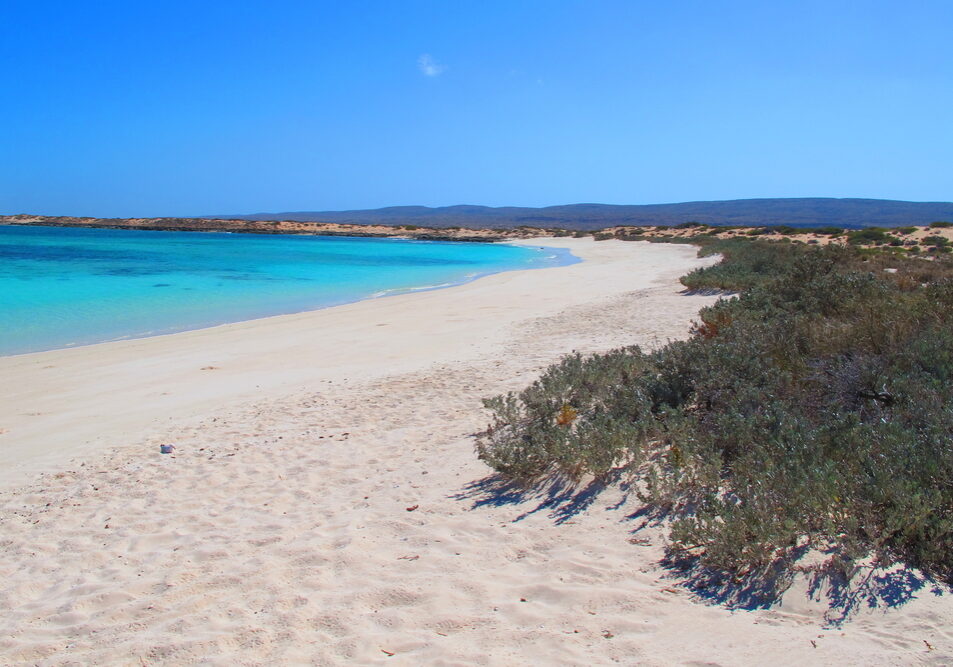
At Ningaloo Station we offer wilderness camping and all our camp sites are located along, on or near the prestige beach fronts that adjoins Ningaloo Station. Imagine waking up to crystal clear blue waters, white sand and fresh air.
At Ningaloo Station you will experience nature in all its glory. Internet and phone services are limited so it’s the perfect opportunity to unplug, unwind and enjoy all the beautiful surroundings whilst spending quality time with family and friends.
Wilderness campers must be fully self-sufficient and carry / transport everything into their designated camp site, enjoy the natural surroundings and leave nothing behind. No facilities are provided and camps are well spaced to ensure a sense of privacy and comfort for all.
Exmouth Gulf Station
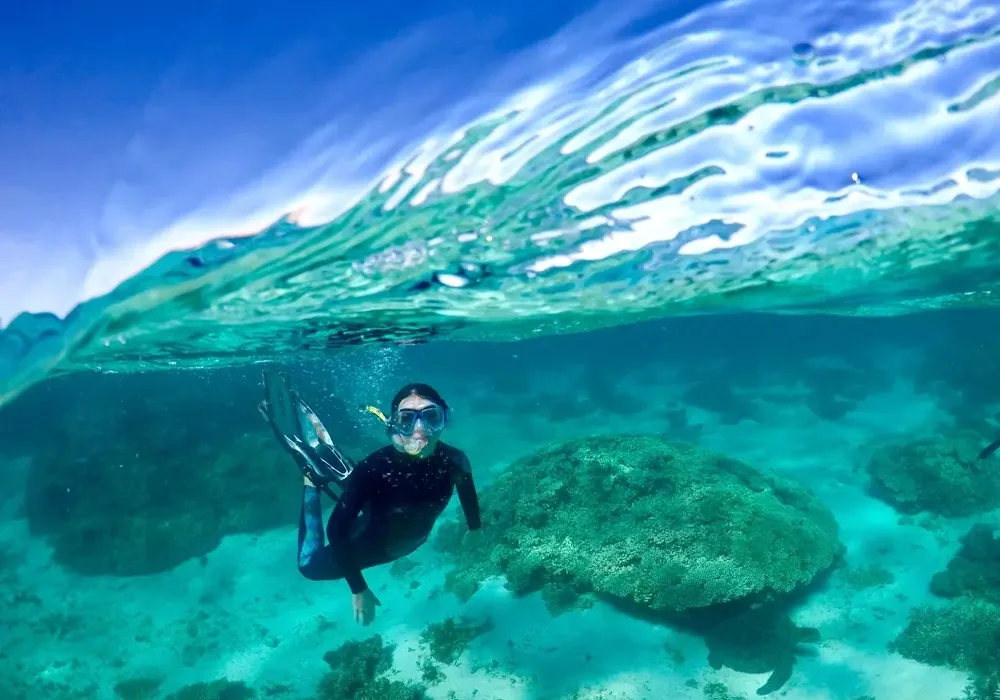
The Exmouth Gulf Station is only a 30 minute drive to the Exmouth Town site and is one of the richest marine environments in Australia. It is a nursery for humpback whales, prawns, blue manna crabs, dugongs and turtles. The mangrove systems on the eastern margins are areas of high primary productivity feeding and restocking both the Gulf and the famed nearby Ningaloo Reef.
Exmouth Gulf is home to a myriad of marine life, including whiting, mullet, trevally, prawns, mud crabs, mangrove jacks and crustaceans. Wildlife and bird life are unique, protected and a pleasure to see in their natural environment.
Lefroy Bay
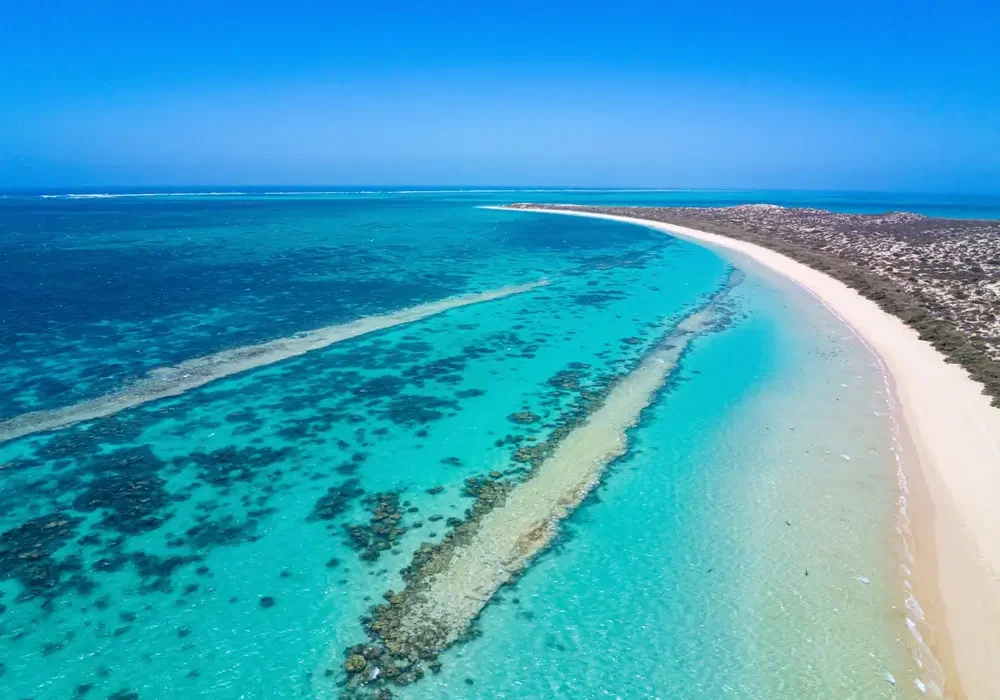
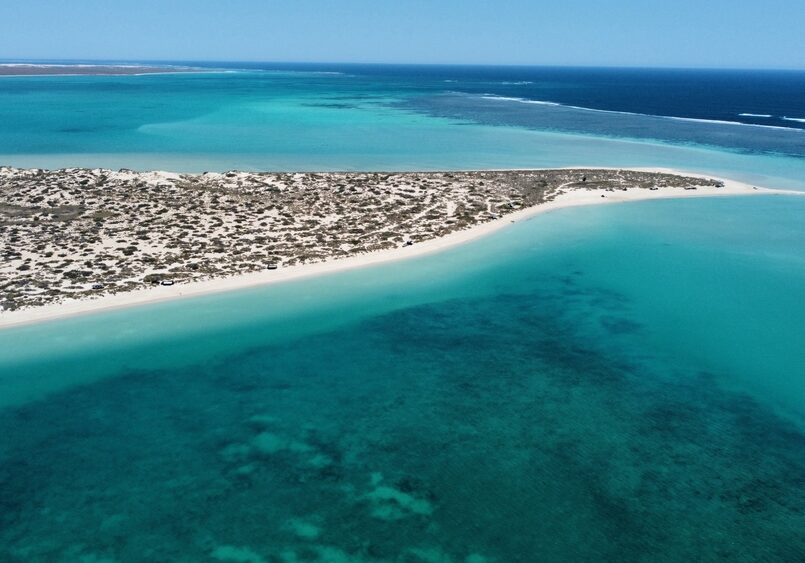
The 9km long beach at Lefroy Bay is south of Winderabandi Point. There are three camping areas within this bay and they are known as South Lefroy Bay, Point Billie and North Lefroy Bay. A 2.5km wide shallow lagoon fills most of the bay, with the reef beyond.

Ningaloo Reef
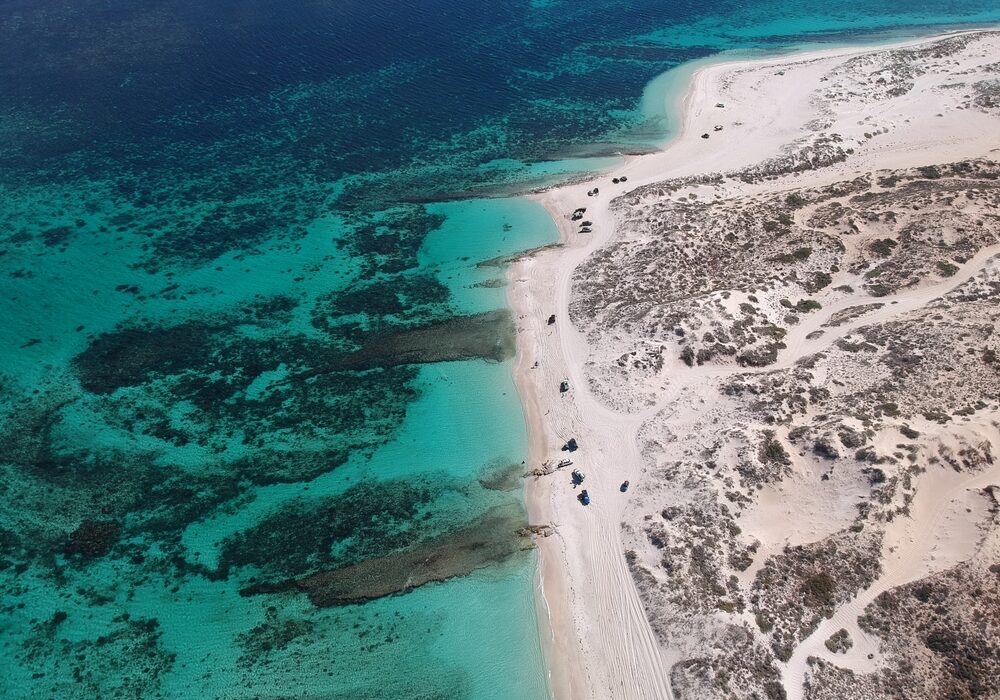
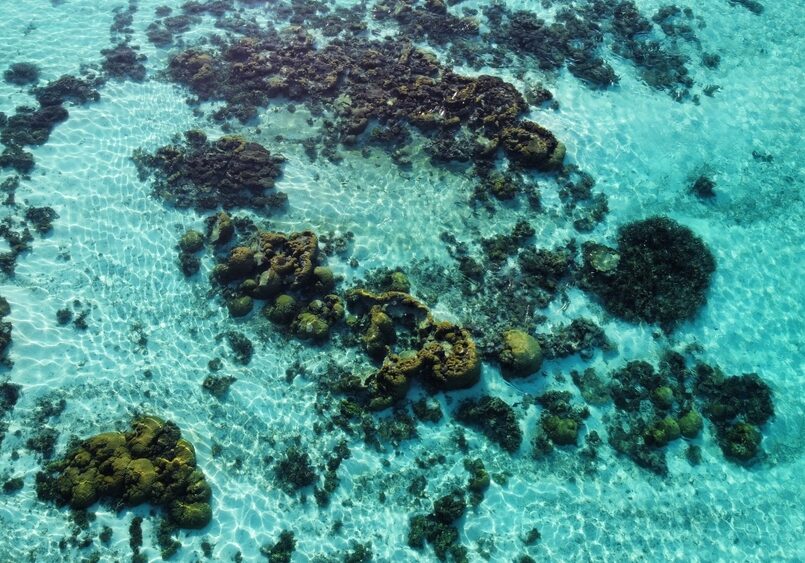
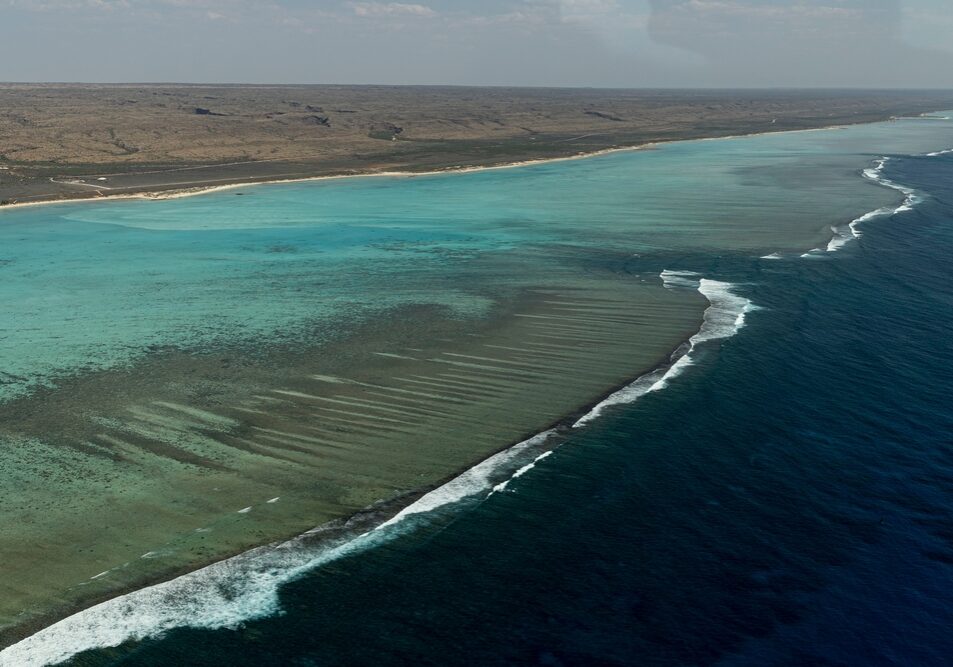
Ningaloo Reef is one of the world’s largest fringing reefs. This intricate reef system stretches over 260 km and at some points is only metres from the beach.
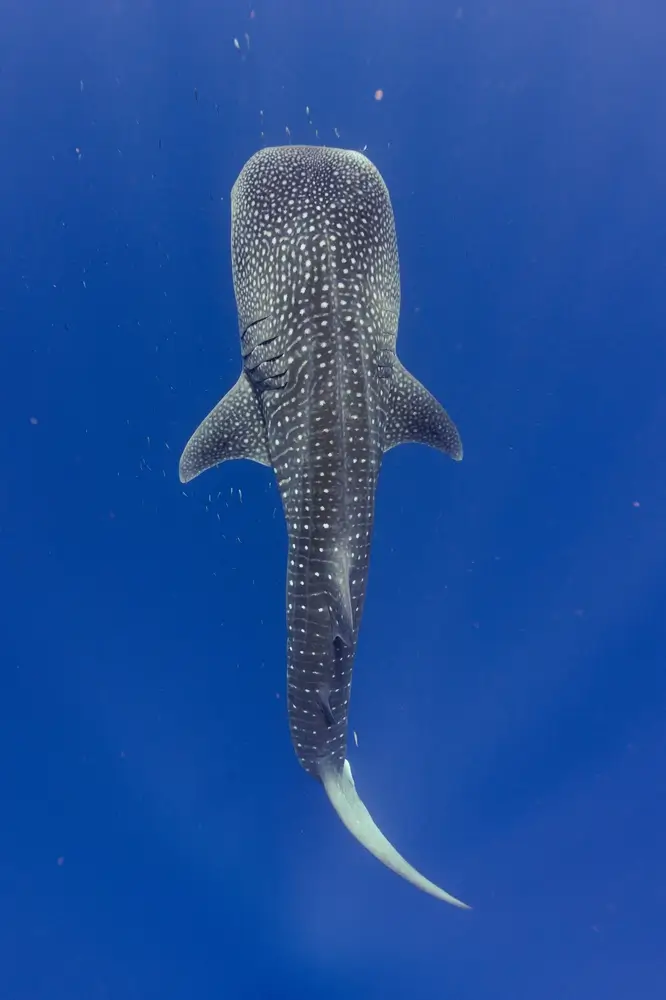
The Ningaloo Reef is home to a myriad of marine life, including one of the rarest, and largest fish in the world – the whale shark. These leviathans, of up to 18 metres in length, are regular visitors to the Ningaloo Reef from March to June, when the plankton rich waters draw them close to the reef in search of food.
To find out more about the Whaleshark Tours click here: Whaleshark Tours
Point Cloates Lighthouse
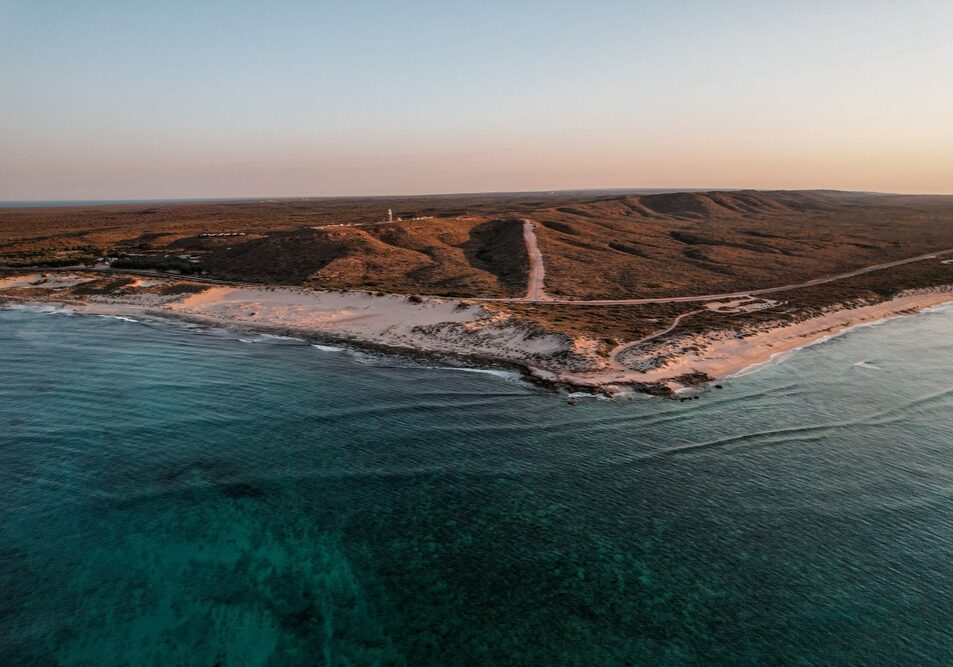
Point Cloates lighthouse was built in 1910 from local limestone on the hill near Ningaloo Station homestead. The lighthouse was particularly remote and the living conditions were cramped with the two lighthouse keepers living in one cottage with their families. The keepers had to be self reliant, growing a garden of vegetables, hunting wildlife and fishing.
The light was automated and demanned in 1933. It was severely damaged in the mid-1930s and abandoned, and sold to the Lefroys for 5 pounds. It is likely the damage was caused by an earthquake.
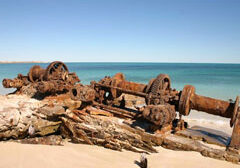
The Whaling Station
The ruins of the Norwegian Bay Whaling Station are located at the remote Norwegian Bay and are a dominant landmark on the site, visible from the ocean and the surrounding dunes. The station was probably the most successful bay whaling station to ever operate in WA when it operated from 1915 to 1957. Its success led to the establishment of several other shore stations around Australia.
The whaling station is important for its association with Norwegian and other Scandinavian whaling men, three of whom are buried in the dunes near the site.
Visitors to the National heritage listed Norwegian Whaling Station ruins must register at Ningaloo Station homestead and obtain a key to facilitate entry.
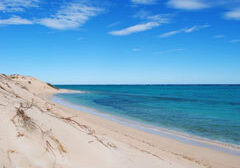
Winderabandi Point
Winderabandi Point is a very popular spot for camping, fishing and nature spotting where you may see dolphins and turtles come right in close to the shoreline.
The beaches are pristine here and perfect for swimming, relaxation and enjoying the beautiful surroundings.
Find out more or make a booking to stay at Winderabandi Campground.
Ningaloo Station offers wilderness camping experiences to all people who share our respect for the environment.
Ningaloo Station offers a true wilderness camping experience for people who value nature, space, and the unique character of the Ningaloo Coast.
The station landscape is rich and varied, shaped by its pastoral history and shared with native wildlife including kangaroos, snakes and goannas, all of which are protected. This balance between land, wildlife, and people is central to the experience of staying here.
Along the coastline, visitors are met with pristine ocean and an extraordinary array of marine life. Whales, dugongs, whale sharks, manta rays, dolphins and turtles are all part of the natural rhythm of the area, alongside diverse birdlife and vibrant fish species.
The region is also steeped in history. Highlights include the heritage-listed Point Cloates Lighthouse, the remains of the Norwegian Bay Whaling Station, the wreck of the Fraser Island, and numerous other coastal shipwrecks that tell the story of the coast’s maritime past.
Five distinct camping areas stretch from Jane Bay in the south to Winderabandi Point in the north, each offering direct beach access and a strong sense of remoteness. The area has long been associated with environmental care initiatives, including native tree planting, composting, and broader environmental enhancement activities, with visitors encouraged to respect and protect this remarkable coastline.
Ningaloo Reef Facts
A few things worth knowing about the reef that sits just off the beach at Ningaloo Station.
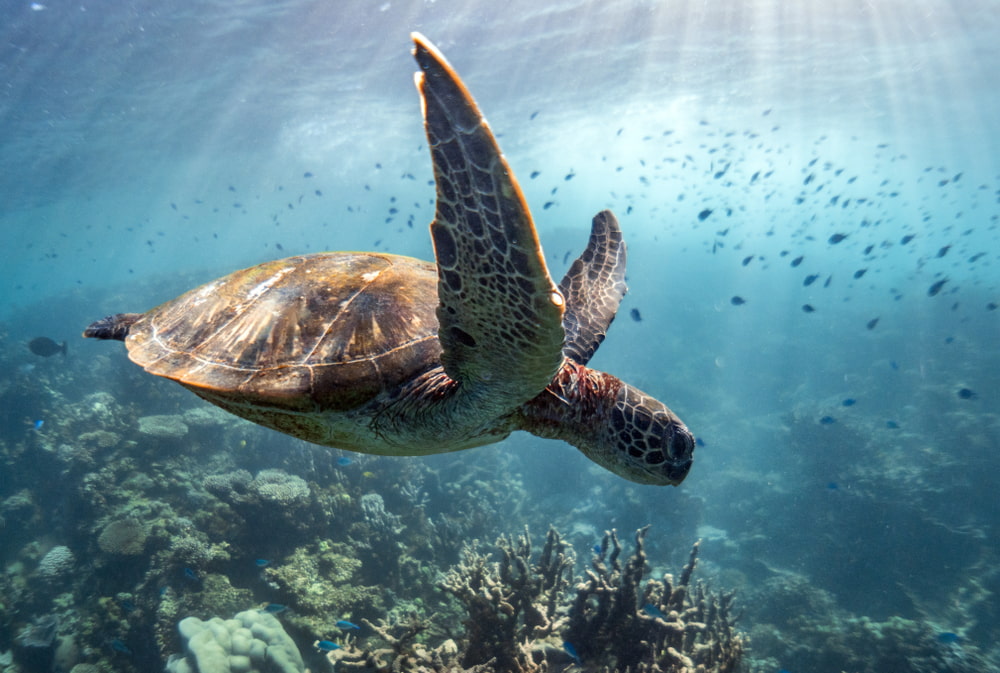
Ningaloo Reef stretches roughly 260 km along the West Australian coast and sits very close to shore, in some places only a few metres from the beach.

Can't wait to get to Ningaloo? Play Reef Buddies
Counting down the days until your trip? Swim the reef as a whale shark, dodge the rubbish and collect coins to unlock a sea turtle and a manta ray in Ningaloo Reef Buddies, our free online game. It works on your phone or desktop, there's nothing to download and no login needed, and your best score is saved in your browser for the next go.
Good for keeping the kids busy on the long drive up from Perth, or for anyone who just can't stop thinking about the water.